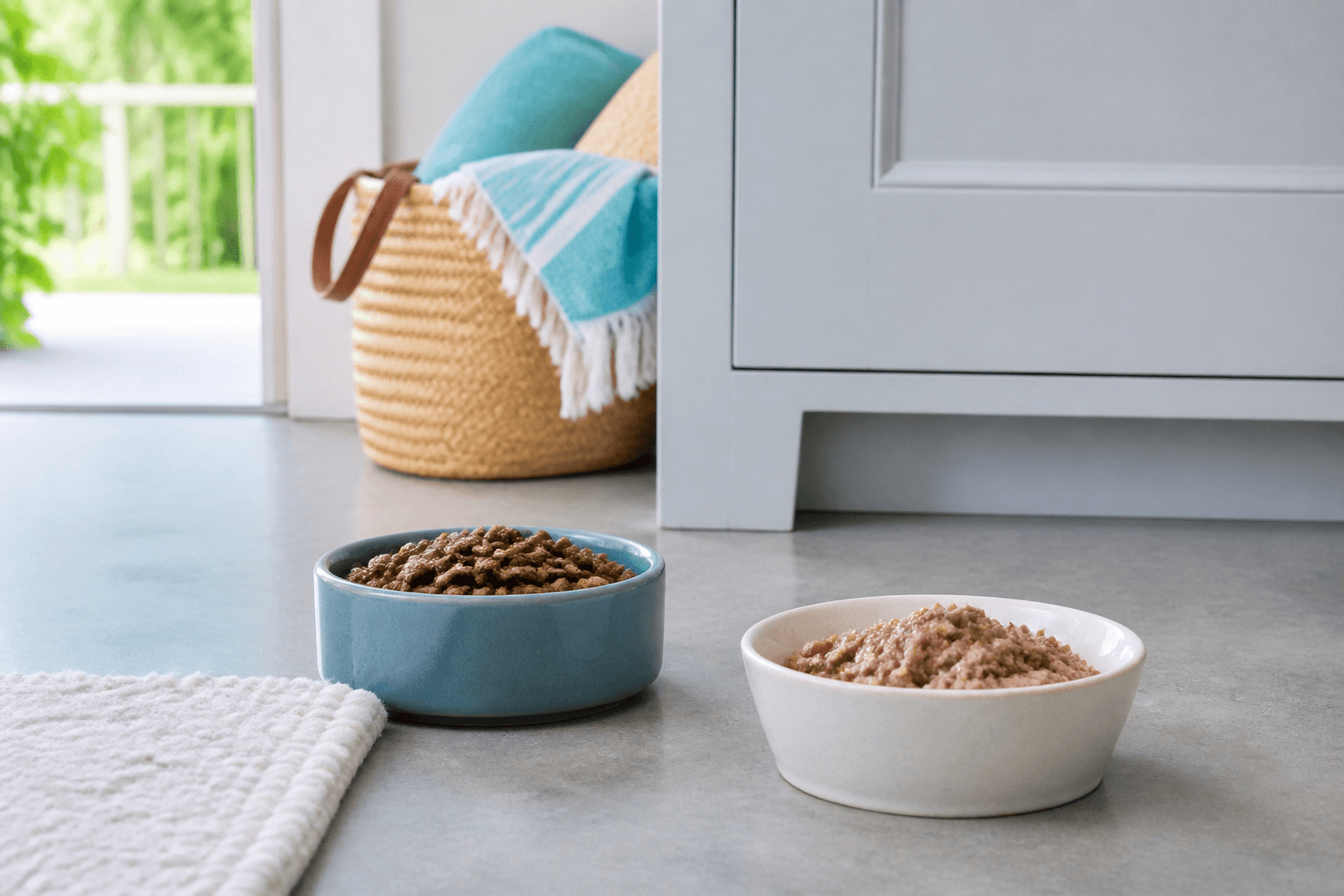
Potes com ração seca e úmida servidos em local fresco

Image credit: Acervo pessoal: DogWise

Nutrition10 min readPublished on August 17, 2026

Wet or dry food on hot days: what changes in practice

When the temperature rises, many owners think about immediately switching from dry food to wet food. The logic seems simple: moist food contains more water and appears fresher. In practice, however, the best choice depends on the dog's health, the complete diet he already receives, the amount consumed, conservation and the availability of clean water. Heat primarily changes how to store, offer and monitor food — it doesn't create a universal rule that one format is superior.

A healthy dog ​​can continue on adequate dry food as long as they drink water and maintain their intake, disposition and body condition. Wet food can increase water intake and be more appealing to some animals, but it spoils more quickly once opened or served. Mixing the two is also possible, as long as the calories are recalculated and the product is complete for the life stage.
What really changes when it's hot

Dogs regulate temperature differently than people and may reduce activity and interest in food during hotter times. A refused meal deserves context: is the dog alert, drinking water and accepting to eat when the environment gets cold, or is the dog exhausted, vomiting and not wanting to drink? Excessive heat may cause emergency; it should not be treated just by changing the taste of the meal.

On hot days, four points become important:

  • fresh and accessible water in more than one location;
  • food protected from heat, humidity, insects and contamination;
  • portions that are not exposed for long periods;
  • observation of appetite, water intake, urine, feces and behavior.

Changing the diet suddenly because the dog ate less in one afternoon can cause gastrointestinal discomfort. First, offer the meal in a ventilated environment at a cooler time, without leaving the container available indefinitely.

Dry food: advantages and limitations in heat

Dry kibble is practical to measure, transport and store, but it is not immune to spoilage. Fats can oxidize, humidity favors changes and poorly closed bags attract pests. Store food in a cool, dry place, away from the sun, respecting the expiration date and instructions on the label.

Keeping the food in the original bag, tightly closed, helps preserve batch and expiration information. If using a container, place the bag inside it when possible, rather than pouring out successive batches without sanitizing. Do not leave the container in a hot garage, balcony or near appliances that release heat.

The lower water content means that hydration will depend more on what the dog drinks. This does not make dry food unsuitable by definition. Many dogs compensate by drinking normally. The owner needs to wash pots, renew the water and observe real changes, not just assume dehydration due to the type of food.

Another advantage is the possibility of offering portions without immediate refrigeration. Still, remains that have received saliva, water or wet covering should not remain all day. Superficial fat can also become less palatable in a hot environment.

Wet food: where it helps and where it requires care

Wet foods contain a greater amount of water and can contribute to total water intake. The texture and aroma appeal to many dogs, which can be helpful when their appetite drops slightly. There are also wet veterinary diets formulated for specific conditions.

The counterpart is conservation. Once opened, the product must follow the manufacturer's instructions, normally with refrigeration and use within the indicated period. The portion served heats up and deteriorates more quickly in the environment. Discard leftovers that were exposed; Don't wait for a strong odor to recognize risk.

A can or sachet is not automatically a complete meal. Read the label to see if the food is complete and balanced for the life stage or if it is complementary. Snacks, spreads and toppings should not take up the majority of the diet without appropriate formulation.

Calorie density also varies. The visual volume of a wet portion may be greater, but this does not allow you to exchange “a cup for a can” without calculating. Use the manufacturer's recommendation as a starting point and adjust with your veterinarian or veterinary nutritionist based on weight, body condition, activity, neutering and health.

Comparing on a routine basis, without choosing a winner

Hydration

The wet one provides more water with the meal. Drought requires the dog to drink separately. In both cases, clean water must be available; Wet food does not replace the water fountain. Diseases that alter thirst or urine require veterinary evaluation.

Conservation

The closed drought tolerates the routine better, but needs a cool place and protected packaging. The open humid requires refrigeration and strict control of the time outside the refrigerator. When traveling, lack of refrigeration can make drying safer and more practical.

Acceptance

The wet one usually has a more noticeable aroma. Gently heating a refrigerated portion, as per instructions and testing the temperature, may improve acceptance. However, offering increasingly tasty alternatives with each refusal can teach the dog to expect replacement and hide a clinical problem.

Cost and waste

The daily cost should be compared by calories and adequacy, not just the price of the package. A cheap product that is left over and discarded can cost more. Individual portions reduce leftovers, but generate more packaging.

Teeth

Don't assume that regular dry food cleans teeth completely. Oral hygiene depends on appropriate routine and professional assessment. Some diets have specific dental purposes, which does not apply to all dry grains.

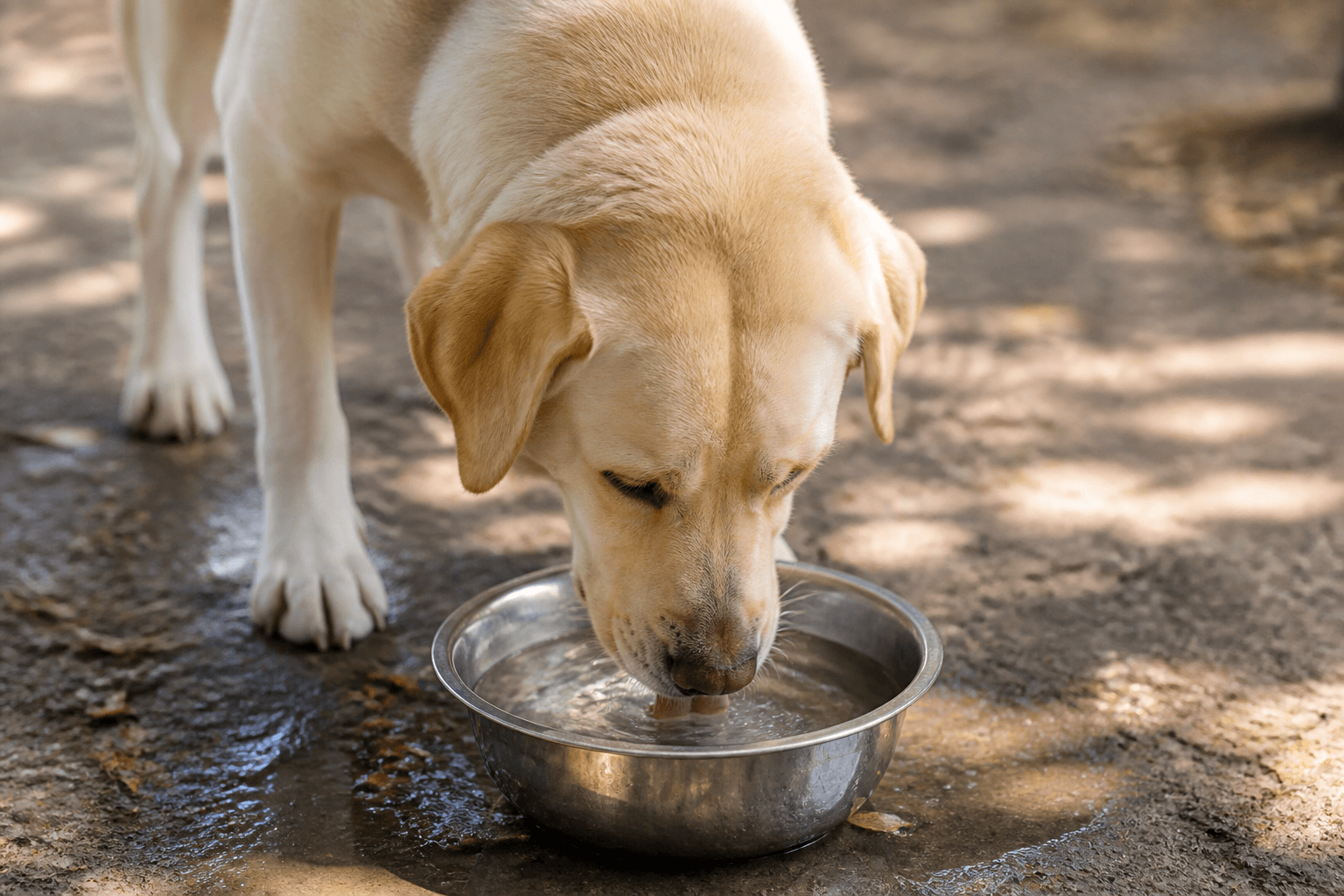
Cão bebendo água limpa em um dia quente
Image credit: Acervo pessoal: DogWise

Is it possible to mix dry and wet food?

Yes, for many dogs, as long as both foods are appropriate and the amount respects their energy needs. The common mistake is to keep the entire portion dry and add the wet portion “on top”. This daily increase can promote weight gain.

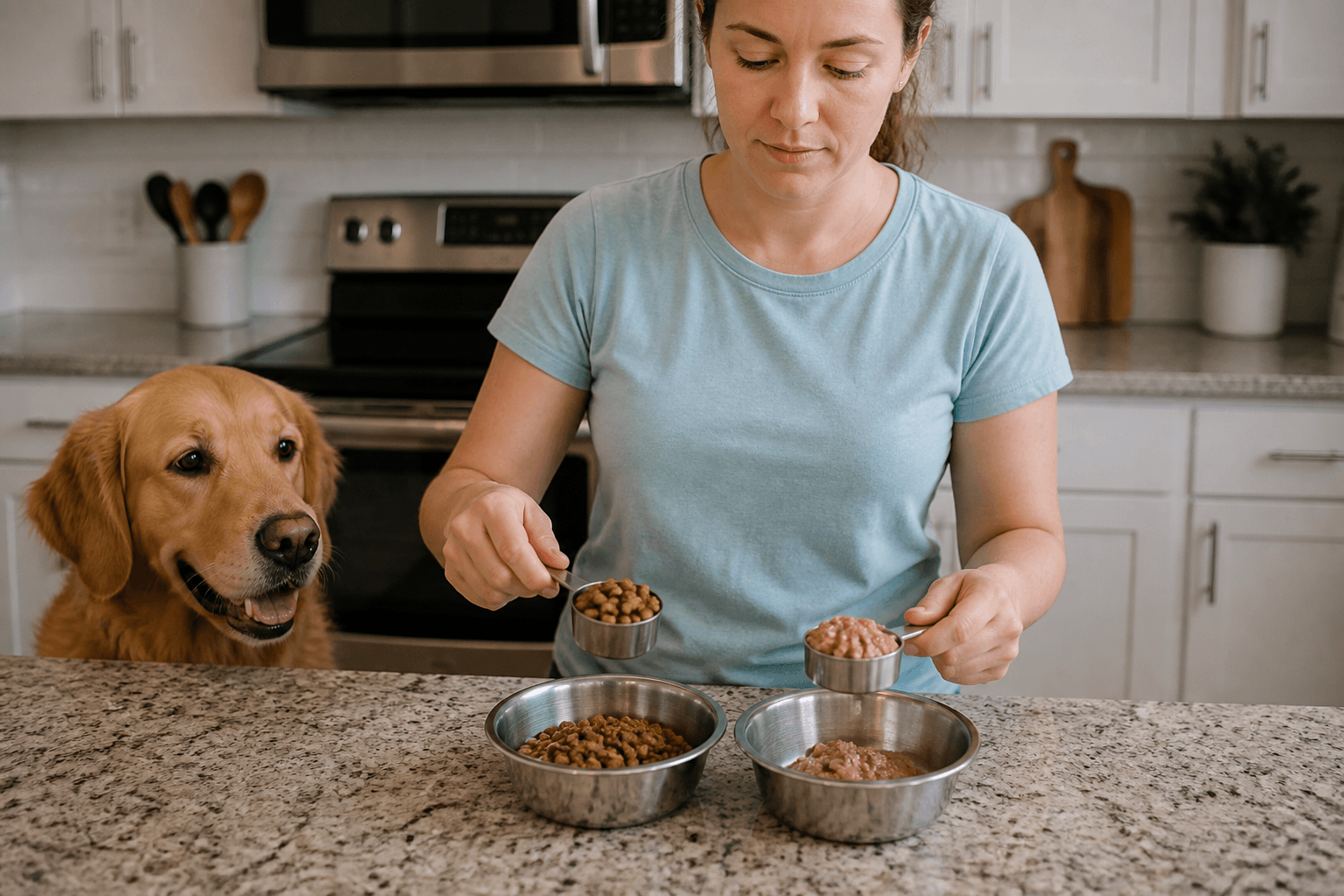
An organized way is to define the proportion with professional guidance and measure each component. For example, removing part of the calories from the dry to include the equivalent amount from the wet. Don't just use volume, as products have different densities.

Mix only the portion that will be consumed. Once moistened, dry food requires similar care to wet food and should not be available for hours. Wash the pot after the meal.

If the dog has kidney, urinary, heart, pancreatic disease, food allergies or uses a therapeutic diet, do not use combinations without authorization. A seemingly small topping can alter nutrients, fat, sodium or controlled ingredients.

Water: the most important part of the decision

Make pots available in shaded, easily accessible locations. Dogs that are elderly, have reduced mobility or live in a multi-story house can benefit from more points. Wash containers daily, as biofilm forms even when the water appears clean.

Observe safe preferences: pot material, depth, location and source noise may influence. Some dogs drink better from a wide container, without touching their whiskers; others are scared by engines. Change the water throughout the day and avoid heating in the sun.

Adding water to dry food can increase intake, but only do this in immediate portions and discard leftovers. Water does not fix rancid food and should not be used to leave food exposed. Human broths are often unsuitable because they contain salt, onion, garlic, or other problematic ingredients.

How to organize meals on hotter days

Offer at naturally cooler times, maintaining consistency. Do not exercise intensely close to meals, especially in dogs with risk factors defined by the veterinarian. Feed in a calm and ventilated environment.

A practical itinerary:

  1. Check water and wash containers at the start of the day.
  2. Measure the portion, instead of filling the pot automatically.
  3. Serve in a cool place and watch without pressing.
  4. Collect the leftovers after a short period, depending on the type of food and the manufacturer's instructions.
  5. Immediately refrigerate what can be kept and discard what is unsafe.
  6. Record refusals, vomiting, different stools and changes in thirst.
  7. Weigh the dog periodically and monitor its body condition.

Do not freeze an entire meal without confirming that the product and the dog are suitable. Frozen foods can be difficult to bite into, and changes in texture are not always pleasing. Cooled stuffed toys can enrich the routine, but they must be included in the daily total and be compatible with size and chewing habits.

Practical scenarios

The dog eats dry normally, but drinks little in front of the owner

First check for other sources and observe urine and behavior. Renew the water, test another location and approximately measure the consumption for a period guided by the veterinarian. A planned inclusion of wet may help, but sudden drop in thirst or signs of dehydration need evaluation.

The dog refuses lunch and eats at night

If everything is fine and the pattern only appears at peak heat, cooler times may resolve the problem. Avoid turning each refusal into a buffet of options. If the lack of appetite persists, also occurs in the fresh air or comes with apathy, seek assistance.

The family leaves wet food in the jar during work hours

This practice is not safe. Serve a portion that can be consumed and collected. If no one will be present, talk about another suitable time or format, without relying on exposed perishable food.

The dog gained weight after starting the mixture

Review total calories, including snacks and chews. Reduce portions only with planning to maintain nutrients. The problem is usually in the sum, not in the mixture itself.

Tutor medindo porções de alimentos seco e úmido para o cão
Image credit: Acervo pessoal: DogWise

When the tip doesn't work

Switching to wet does not resolve refusal caused by dental pain, nausea, illness, stress or dangerous heat. Adding water doesn't help if the food is exposed and spoils. Buying a “premium” food also does not guarantee aesthetic or clinical results; If this is your concern, read about opaco coat even with premium food.

Do not insist on improvised homemade food as a refreshing solution. Unformulated meat and rice do not necessarily make up a complete diet, and recipes from the internet can create imbalances. For a homemade diet, look for an individual formulation by a qualified professional.

WSAVA provides global resources on pet nutrition and health. Use institutional materials to formulate questions, but take decisions about quantity and therapeutic diet to the professional who knows your dog.

Signs that ask for evaluation

Seek help quickly if your dog has difficulty breathing, weakness, confusion, repeated vomiting, collapse, unusually colored gums, or a suspiciously high body temperature. Take it to a cool environment and follow emergency guidance; do not force water or use ice without instruction.

Also schedule evaluation if there is persistent refusal, weight loss, marked increase or decrease in thirst, change in urine, diarrhea, or pain when eating. Puppies, elderly people and dogs with illnesses have less room for improvisation.

Frequently asked questions

Does wet food hydrate enough to dispense water?

No. She contributes water, but the dog must have a clean and accessible drinking fountain. The need varies with diet, climate, activity and health.

Can I serve cold wet food?

Some dogs accept it; others prefer less cold temperatures. Follow the label, only serve the portion needed and never leave it out for a long period of time. Do not heat to the point of creating hot areas.

Does wetting dry food ruin the nutrients?

Adding water immediately before serving generally changes texture and conservation, but does not transform an adequate diet into an inadequate one. The main problem is leaving the mixture exposed. For therapeutic diets, check with your veterinarian.

Do I need to change the food during every heat wave?

No. If the dog is healthy, hydrated and eating, adjust the environment, water, schedule and conservation. Sudden changes can cause discomfort.

How do I know if wet food is complete?

Read the indication on the label for life stage and use as a complete food. Terms such as snack, complement or topping indicate another purpose. If in doubt, consult the manufacturer and your veterinarian.

Conclusion

In hot weather, wet and dry food can be part of an adequate diet. The wet one provides more water and palatability, but requires more care after opening. Drought makes storage and measurement easier, but increases the importance of access to the drinking fountain. Mixing is possible when calories are recalculated.

Before changing, observe the dog, the environment and conservation. Serve measured portions at convenient times, collect leftovers and don't treat persistent lack of appetite as a simple preference. The best choice is not the one that looks most refreshing in the jar, but rather the one that meets the animal's needs with safety, balance and support.