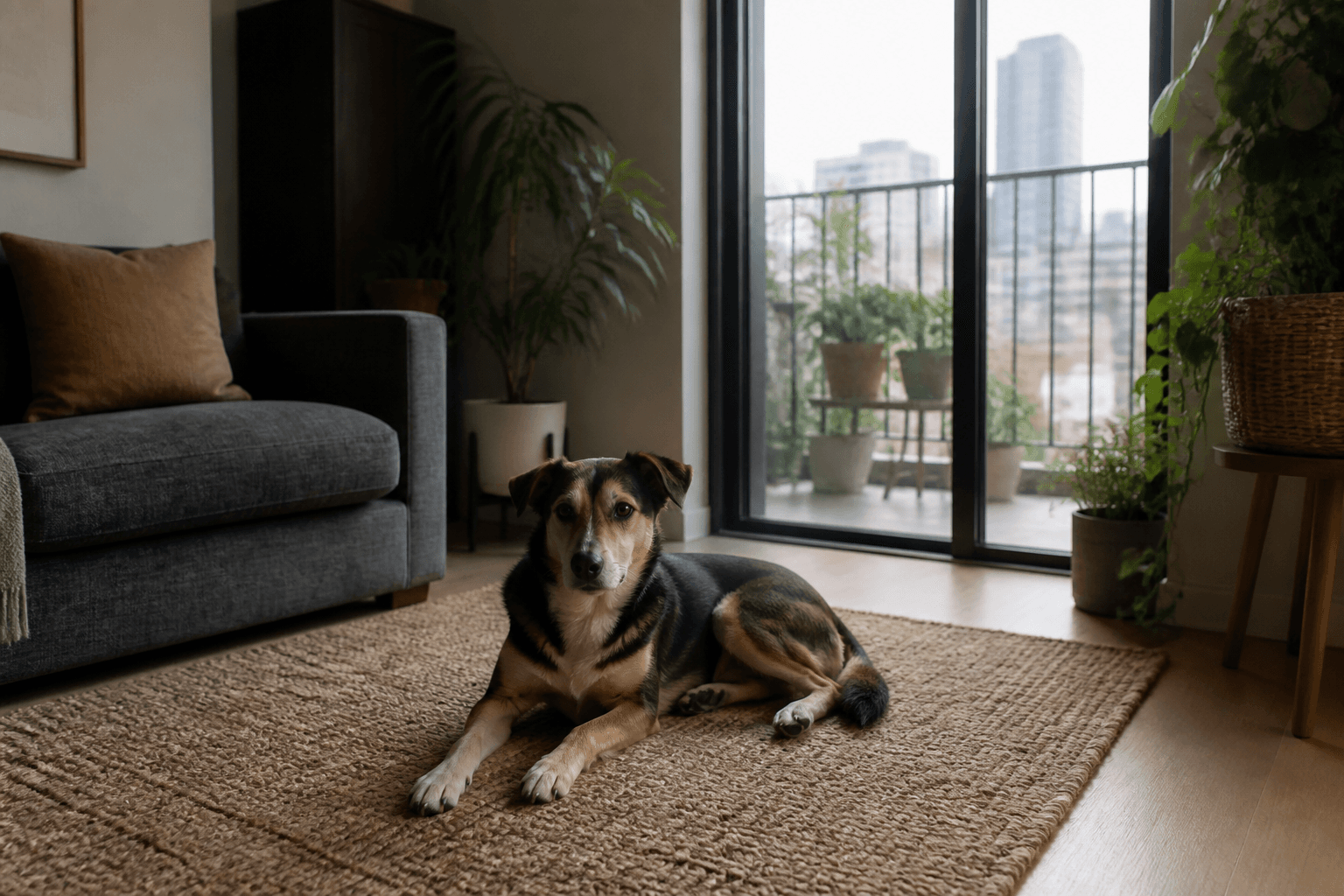
Cão descansando no tapete de uma sala de apartamento compacto

Image credit: Acervo pessoal: DogWise

Breeds8 min readPublished on September 3, 2026

Dog for apartment: what to evaluate before size

Written by the DogWise editorial team. Who writes here.

The photo on the cell phone is of a puppy on a light carpet. The caption says “great for an apartment”. You look at the room, look at the elevator, look at the neighbor next door, and the question is not cute: does an apartment dog live right here — or am I getting a collar problem?

Size helps it fit on the sofa. Don't decide the rest. There is a small dog that barks all the way down the hall. There are big dogs that sleep all day and only ask for two honest laps. The right question is not “which race fits in the square meter”. It's: does our routine fit this dog?

The AKC, when talking about dogs and apartments, insists on energy, barking and training — not just inches. Lists of “best breeds” lie when they hide the owner: those who work 12 hours outside don’t “compensate” with a gourmet rug.

If the idea is a giant, stop first and read what to evaluate in great dane puppy. Small apartment + giant breed is not prohibited by physical law, but the cost, the elevator and the floor are part of the deal.
The direct answer

Before choosing a breed (or a mutt of size X), evaluate in this order:

  1. Real hours of walking and being at home on bad days, not on a perfect Saturday.
  2. Noise: barking, nails on the floor, running behind the door.
  3. Building: animal allowed, elevator, dirty area, light sleeper neighbor.
  4. Dog's body: not just weight — breathing, heat, joints, which is why it asks for a brush.
  5. Plan B: travel, illness, moving, brand that doesn't accept dogs.

If the account doesn't close, it's not a lack of love. It is to prevent suffering on both sides.

Square meter mind

Dogs don't use the property's plans like we do. It uses:

  • path to the door;
  • place to turn and lie down without hitting the table;
  • window (be careful with falls and screens);
  • its absence.

Kitnet with tutor in home office and three short outings can work. Three empty rooms from 7am to 8pm doesn’t work for most puppies, whether they are an “apartment” breed or not.

Balcony is not backyard. Solarium on the 12th floor is no substitute for sniffing on the sidewalk.

Energy, not Instagram

Ask the breeder, NGO or neighbor who has had the type of dog:

  • does it turn off after the ride or recharge?
  • barks at elevators, bicycles, conversations in the hallway?
  • do you need work (sniffing, training, sport) or can you get by with a ride and toys?

Herding dog in an apartment without a task invents a task: shoe, intercom, ankle.

Calm elderly dog ​​in ad may have been the same rocket two years ago. Ask the phase, not just the pose.

Noise is building policy

In Brazil, condominium fights over barking are classic. Before bringing the dog:

  • read the regulations (not the “it’s always been like this” from the property manager on zap);
  • test the hall: echo, slamming door, child running;
  • decide if you train command leave and remain calm really, not “I’ll see later”.

Nails on porcelain at 6am wake up the neighbor. Carpet helps. Nail scissors up to date too.

A short snout and heat in a closed apartment with no wind is a separate risk — the text of brachycephalic breeds and heat matters if the fashionable breed is a pug or bulldog in a hot city.

Elevator, stairs, pee

A full elevator is training. Dogs that jump on visits suffer more in the cubicle. Teach waiting. The human enters, then the dog, on a short leash.

Too many stairs for a heavy breed puppy: joints. A puppy is not “already climbing 14 floors to get tired”. Tired wrong.

Pee: how many times do you actually go down on the second rainy season? Hygiene mat is a crutch, not a life plan for a healthy adult — unless the veterinarian advises it based on health or age.

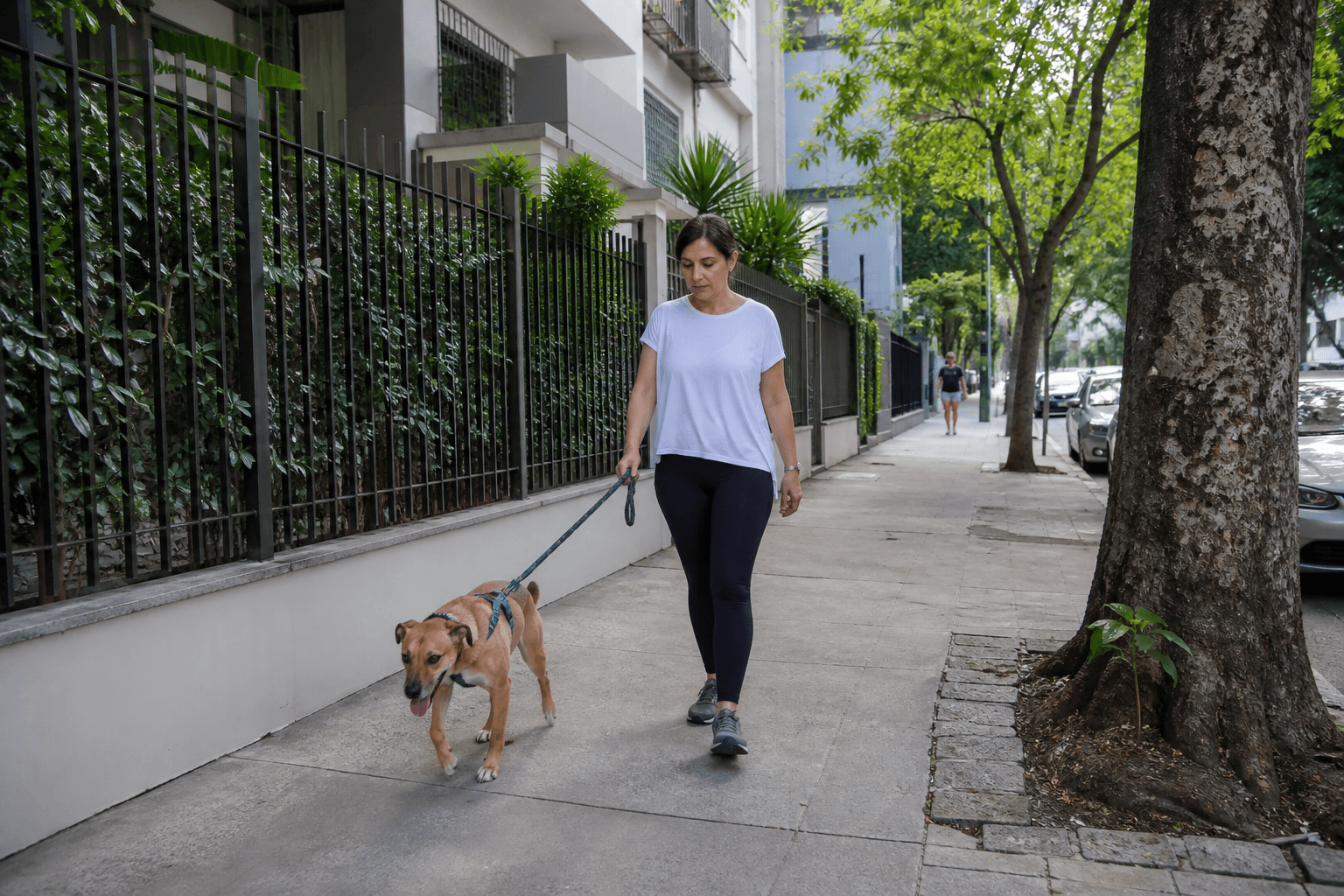
Pessoa passeando com cão na calçada em frente a prédios
Image credit: Acervo pessoal: DogWise

Cost that does not appear in the ad

In addition to feed:

  • transport to the clinic (app with pet, car, neighbor);
  • shave if the hair asks for it;
  • destruction of skirting boards in the first few months;
  • daily pet hotel if you travel;
  • time. Time is the item that race lists omit.

NGO and serious creator ask about the routine. Anyone who only asks if the card passes is not helping you choose an apartment dog. It's selling you.

Mutt, purebred, “already adult”

A rescued adult with a history of being able to live in an apartment (already lived in one, already taken the elevator, already left alone for a block of hours) often adapts better than a “small and easy” breed puppy.

Puppy is cute and it's early morning work. The first night article exists because night 1 in kitnet is noisy. If the building doesn't tolerate it, puppy may be the wrong choice now — not “forever.”

What to evaluate during the visit (breeder or shelter)

  • How the dog behaves in a small space, not just on the patio.
  • Reaction to the door, collar, new person.
  • Apparent health: breathing at rest, limping, skin.
  • Contract, vaccine, refund if it doesn't work out. Anyone who disappears after the pix is ​​not a partner.

Don't just choose the color that matches the pillow.

Honest minimum routine (writes on paper)

Example that many people promise and don't deliver:

  • morning: 20–30 minutes of real street time (sniffing, not just “he peed and came back”);
  • lunch or midday: someone appears or a dog walker;
  • night: another outing + 10 minutes of donkey training (sit, leave, mat).

If during a bad week this becomes just the porch rug, the high-energy dog ​​will charge. In the apartment, the charge is bark and wood.

Frequently asked questions

Does a small dog suffer less in an apartment?

Suffer differently. Visiting knee, high-pitched barking, fear of fireworks on the 8th floor. Small is not synonymous with easy.

Can I have two for them to keep each other company?

Sometimes it helps. Sometimes there is double barking, fighting over resources and costs. Two puppies together learn mess together.

Work outside all day. Which breed “can handle it”?

No race erases abandonment of 10 hours for being “from an apartment”. Calm adult + walker + camera is no excuse for zero presence. It's management. Puppy in this routine is usually unfair.

Is a backyard on the ground floor a solution?

Help the pee. It does not replace sniffing walks and does not authorize a dog alone in the yard all day barking at the wall.

What about the allergic/dog-hating neighbor?

You don't control your neighbor. Control training, running times in the hallway and honesty in the condominium. Eternal conflict leaves the dog in the middle.

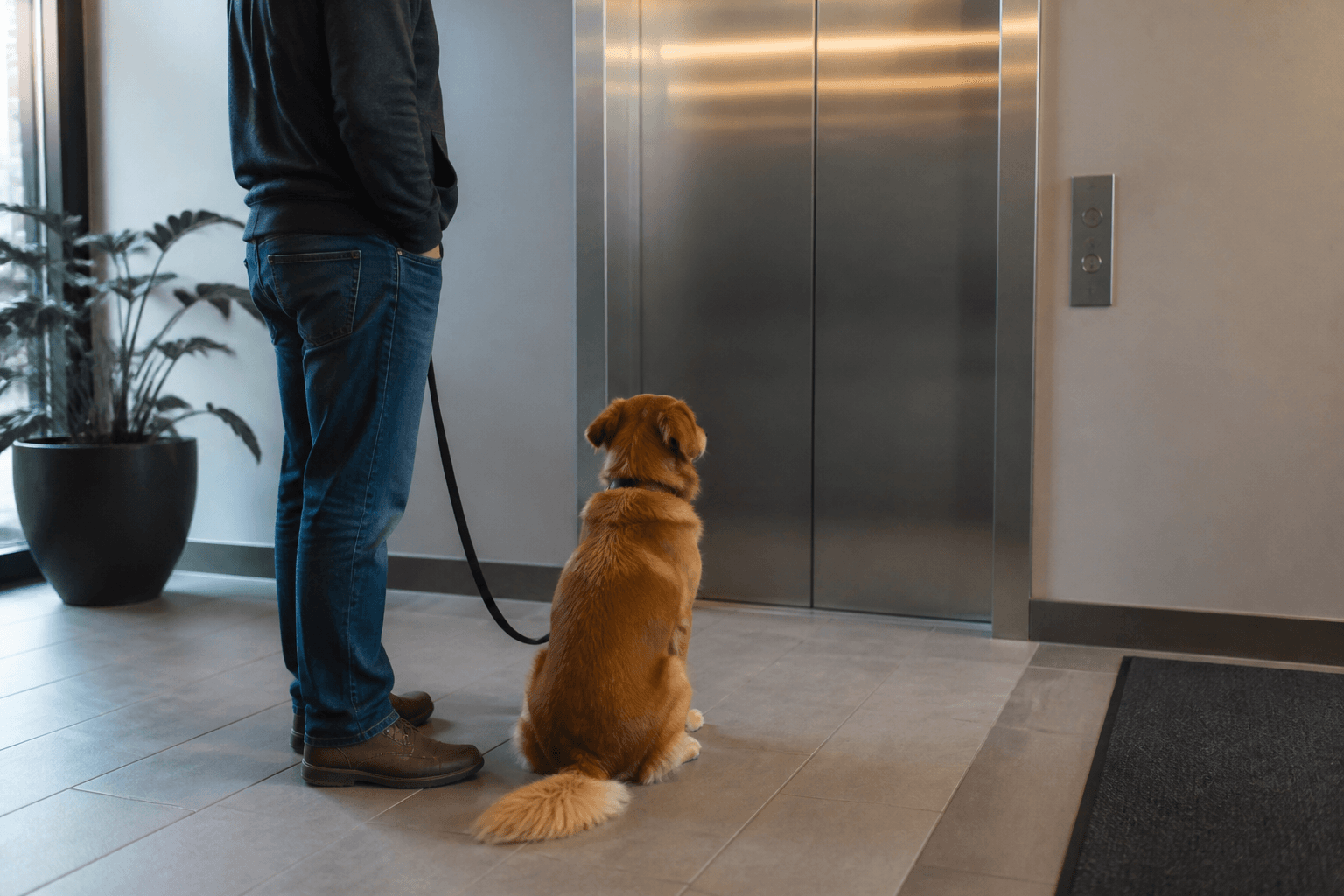
Cão sentado ao lado da pessoa esperando o elevador no hall
Image credit: Acervo pessoal: DogWise

Conclusion

Dogs for apartments are chosen based on routine, noise and the building — then based on the size of the photo. Square meter, fashionable breed and “he's small” don't pay for elevator, barking or the hours when you're not there.

Write down the bad days. Visit the dog in real space. Read the building rules. If the account closes, the apartment becomes a house. If it doesn't close, waiting or choosing another dog profile is caution, not cowardice.

Heat, window and high floor

Apartment on the top floor turns into a greenhouse. A hairy dog ​​or a dog with a short snout suffers before you feel that “it’s stuffy”. Ventilation, water and do not leave it closed in the sun from the window. Screen on the window if there is a risk of falling — dog jumps after pigeon.

Air conditioning all day when you are away: arrange with someone to look after the lack of electricity or the switch off. A dog alone in a locked room with the smell of floor products is another common mistake made by those who are “only going to stay for two hours”.

Home Alone: The Honest Test

Before taking on a dog, test your life: a worst day of the week, not the holiday. Who enters? Walker? Relative? Camera helps to see barking, but does not replace bladder or boredom.

A dog that already destroys you when you just go to the market doesn’t “get better in the apartment because it has less space”. There is less space to destroy and less space to calm down. Enrichment (sniffing cloth, safe toy) is your work, not breed magic.

If the plan is to crate all day to “not make a mess in the apartment”, that’s not an apartment dog. It's a trapped dog. Cash is a night and security tool, not a time clock.

Moving, renovation, new neighbor

Apartment changes more than house: renovation upstairs, neighbor's dog in the elevator, party on the roof. Dogs sensitive to noise need a plan (trial, safe place, sometimes professional guidance). Don't choose the “more alert” breed if your nerves are already in the roof.

Take the dog to see the hall before the complete move, if it is an adoption with a visit. New smell + elevator + you are nervous is too much for just one day.

Quick list on paper (print if you want)

  • Hours alone on the worst day of the week: ___
  • Real exits (not just balcony): ___
  • Who covers the trip: ___
  • Building accepted/size restriction: ___
  • Is Nearest Neighbor light on sound? yes / no
  • Monthly money in addition to food: ___

If three lines are blank, you haven't chosen dog yet. He chose a dog idea. Apartment pays the difference quickly — in barking, in the manager or in your Thursday night tiredness.