Cão em consulta veterinária

Image credit: Unsplash / Nome do fotógrafo

Breeds8 min readPublished on August 7, 2026

Signs that your dog may be in pain (and what to do)

How ​​do you know if your dog is in pain? See the Main Signs

Dogs are experts at hiding pain. This behavior comes from their ancestral instincts, when showing weakness could pose a risk to survival.

Even living in safe environments and receiving all the affection from their family, many animals continue to display this characteristic. For this reason, attentive guardians need to learn to identify discreet changes in behavior, as they may indicate that something is not right.

Recognizing these signs early allows you to seek veterinary help before a simple problem evolves into a more serious condition, increasing the chances of recovery and providing a better quality of life for the animal.

What are the signs that a dog is in pain?

Contrary to what many people imagine, a dog will not always whine or scream when it is in pain. In many situations, the signs are silent and appear gradually.

A pet that was previously active may start sleeping more than usual. Another may avoid climbing stairs, stop chasing a ball or show less interest in games they used to love.

These small changes are often interpreted as aging or laziness, when in fact, they may indicate physical discomfort.

Changes in posture and movement

entation

Changes in body posture also deserve attention. A dog in pain may:

  • Walk slowly;

  • Keep your neck rigid;

  • Arch your back;

  • Support less weight on one of the paws;

  • Avoid certain movements;

  • Lie in different positions than usual.

Some dogs avoid certain movements because they cause discomfort, while others lie in different positions than usual to relieve pressure on a painful area.

Observing how the animal moves daily helps you notice these differences before they become evident.

Changes in facial expression

Dogs' facial expression also provides important clues.

Some signs that may indicate discomfort include:

  • Half-closed eyes;

  • Haggard look;

  • Frown;

  • Lower ears;

  • Mouth constantly closed.

In cases of intense pain, some animals experience accelerated breathing, even when at rest.

Others repeatedly lick a specific area of ​​the body, trying to alleviate the discomfort. Although this behavior seems harmless, excessive licking can cause irritation, hair loss and even skin wounds.

Changes in appetite

Changes in appetite represent another relevant sign.

A dog that feels

pain can:

  • Refuse food;

  • Eat less;

  • Demonstrate difficulty chewing;

  • Stop the meal quickly.

This can happen especially when there are dental problems or injuries in the mouth.

In some situations, the dog continues to show interest in food, but stops eating quickly because the chewing movement causes pain.

Reducing water intake also deserves attention, as it can promote dehydration and worsen certain diseases.

Changes in social behavior

The animal's social behavior usually changes when there is some physical discomfort.

Some dogs start to seek more contact with their owners, looking for laps, affection or constant company. Others do exactly the opposite and prefer to remain isolated in quiet areas of the house.

A normally docile dog may react with irritation when touched in certain areas of the body, not out of aggression, but because the contact increases the pain.

Respecting these limits and avoiding unnecessary manipulations is essential until a veterinarian carries out the assessment.

Changes in sleep

Changes in sleep may also indicate that something deserves investigation.

An animal in pain may have difficulty finding a comfortable position, getting up several times during the night.

Some constantly change places or show restlessness, while others sleep for much longer periods than usual due to the physical exhaustion caused by the disease.

Comparing these behaviors with the pet's normal routine makes it easier to identify important changes.
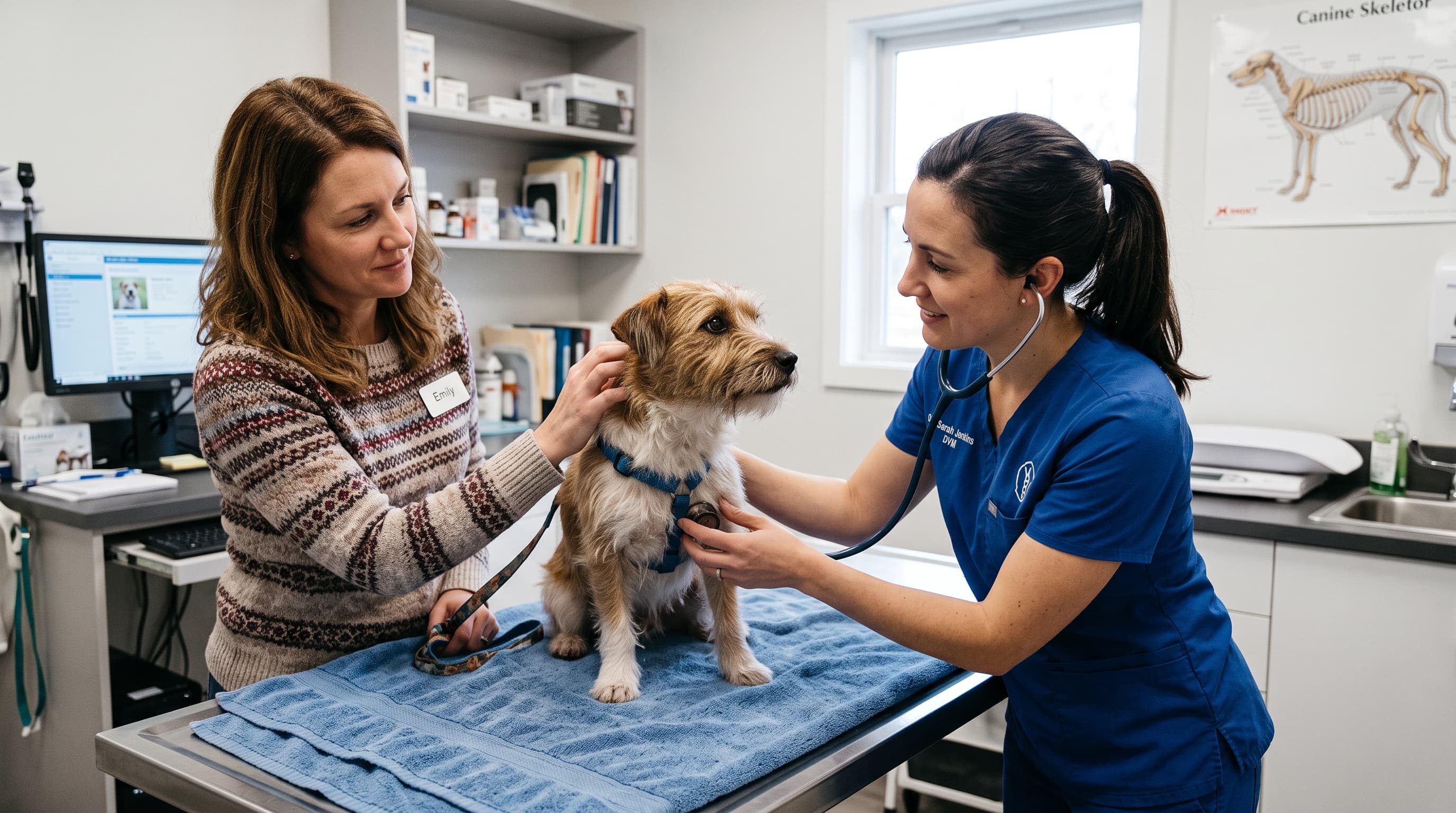
What diseases can cause pain in dogs?

Not all pain originates from accidents or trauma. Several diseases cause discomfort slowly and progressively.

Joint problems, such as arthritis and arthrosis, are common in elderly dogs, but they can also affect younger animals, especially large ones.

Conditions that can cause pain include:

  • Joint problems;

  • Arthritis;

  • Osteoarthritis;

  • Spinal diseases;

  • Muscle changes;

  • Dental problems;

  • Infections;

  • Urinary diseases;

  • Some gastrointestinal changes.

Therefore, any persistent change should be considered a valid reason to seek professional advice.

Puppies and elderly dogs need special attention

Puppies and elderly dogs deserve special attention.

Puppies

Younger children are still in the development phase and can suffer injuries during intense play or have congenital diseases that cause pain.

Elderly dogs

Elderly people tend to live

with degenerative problems that evolve slowly.

As these changes appear gradually, many owners end up getting used to them and fail to realize that the animal is facing increasing difficulties in carrying out simple activities.

Some breeds may require more attention

Breeds predisposed to certain diseases also require constant monitoring.

Large dogs are at greater risk for joint problems, while some breeds with flat faces can develop respiratory changes that cause discomfort.

Animals with a history of orthopedic diseases or previous surgeries should be monitored regularly to evaluate possible signs of recurrent pain and adjust treatment when necessary.

When to see a veterinarian?

When the owner identifies any persistent changes, the veterinary consultation should not be postponed.

The professional will perform a complete physical examination, evaluate the animal's clinical history and may request additional tests, such as:

  • Radiographs;

  • Ultrasound;

  • Laboratory tests;

  • Tomography.

The need for these tests will depend on clinical suspicion.

These procedures make it possible to identify the origin of the pain and establish the most appropriate treatment for each case.

Tutor observando o comportamento do cão
Image credit: Unsplash / Nome do fotógrafo

Never give cach human medicines

gold

It is important to remember that you should never offer human medications to your dog without veterinary guidance.

Common painkillers present in many homes can be extremely toxic to dogs, causing damage to the liver, kidneys, stomach and other organs.

Even medications considered safe for people can cause serious poisoning in animals due to differences in metabolism.

Only the veterinarian can define which medication is indicated, the correct dose and treatment time.

How is pain treated in dogs?

Pain treatment depends on the identified cause.

In some cases, anti-inflammatory medications, specific painkillers or antibiotics may be used to resolve the problem.

In others, you may need to perform:

  • Surgical procedures;

  • Physiotherapy;

  • Control of body weight;

  • Changes in the animal's routine.

Each therapeutic plan is individualized, taking into account the patient's age, clinical condition, associated diseases and level of physical activity.

How to make the dog more comfortable during recovery?

During the recovery period, the home environment can be adapted to provide more comfort.

Some measures can help:

  • Use soft bedding to reduce pressure on painful joints;

  • Install non-slip floors to reduce the risk of slipping;

  • Use ramps to facilitate access to the sofa or bed;

  • Prevent the animal from having to jump;

  • Keep water and food close to the resting place.

These adaptations reduce the animal's physical effort and can help prevent some injuries from worsening.

How to control physical activity?

Control of physical activity must follow the veterinarian's instructions exactly.

Although rest is necessary in many situations, prolonged immobility can also promote loss of muscle mass and joint stiffness.

Some patients just need to reduce intense exercise, while others require supervised light walks to encourage recovery.

Respecting these recommendations is essential to avoid relapses.

Cão deitado em repouso no sofá
Image credit: Unsplash / Nome do fotógrafo

Can food help with recovery?

Nutrition plays an important role during the recovery process.

A balanced diet provides the nutrients needed to:

  • Healing;

  • Strengthening the immune system;

  • Maintenance of muscle mass.

In overweight animals, weight control significantly reduces the burden on joints and spine, reducing pain and improving mobility.

When indicated by the veterinarian, sup

Specific elements can complement the treatment.

Can veterinary physiotherapy help with pain treatment?

Veterinary physiotherapy has been gaining prominence as an ally in the treatment of pain.

Among the techniques used are:

  • Therapeutic exercises;

  • Hydrotherapy;

  • Laser;

  • Ultrasound.

These techniques help reduce inflammation, improve circulation, strengthen muscles and regain movement.

Many dogs experience a significant improvement in quality of life when this monitoring is part of the therapeutic plan, especially in orthopedic and neurological cases.

Emotional well-being is also important

In addition to physical care, emotional well-being also influences recovery.

A peaceful environment, with a predictable routine and positive interaction with family, reduces stress and promotes the healing process.

Avoiding excessive visits, loud noises and sudden changes in routine helps the animal to rest properly.

Affection, patience and respect for the pet's limits make a difference throughout the treatment.

Why is veterinary monitoring important?

Veterinary monitoring does not end when symptoms disappear.

Return queries allow:

  • Evaluate the response to treatment;

  • Adjust medications;

  • Check if the recovery

is not occurring as expected;

  • Control pain in chronic cases;

  • Preserve the animal's quality of life.

In chronic diseases, this continuous monitoring makes it possible to control pain more efficiently and preserve quality of life for many years.

Conclusion

Learning to recognize subtle signs of pain is one of the most important ways to demonstrate care and responsibility towards a dog.

Small changes in behavior should never be ignored, especially when they persist for more than a day or two.

The sooner the problem is identified, the greater the chances of effective treatment, the less suffering the animal will face and the quicker it will be able to return to its routine with comfort, willingness and safety.

The owner's daily attention, combined with regular veterinary monitoring, forms the ideal combination to guarantee a longer, healthier and happier life for four-legged companions.